How to Automate Workflow Examples
- Mar 15, 2022
- 2 min read
When considering workflow automation, it is important to choose a program that will allow you to customize tasks and assign them to the appropriate program or individual. Then, the system will issue deadlines for each task. Ideally, the tasks should have a start and end time and an associated piece of content. Then, you should mark the tasks as complete to trigger the next phase or task. In some cases, you might want to transfer the content from one user to another, or transfer a particular type of content from one user to another.
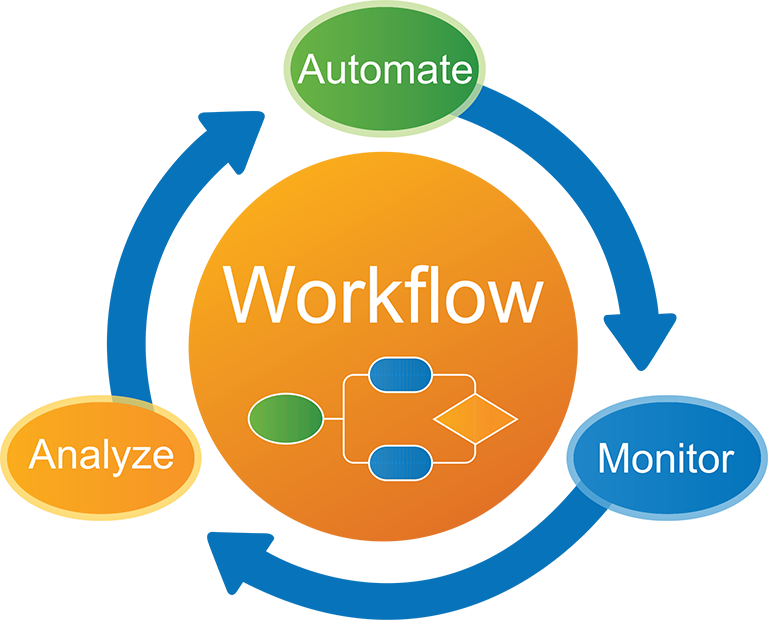
If you are interested in using a workflow engine to create automated processes, there are a few things you should know. First, you need to decide which type of automation you are going to need. There are several types, and each one will have different functions. A no-code solution will typically come with predefined templates and industry-specific logic. No-code products tend to be preferred by software developers, as they are familiar with the processes. If you need more flexibility, a low-code solution will allow you to build your own automated tasks.
A workflow engine can be used in a number of ways. It can be used to create a static process or a dynamic workflow, which uses a template to automatically route tasks from one to another. For example, a workflow engine can be used to streamline purchase order approvals. The script in the engine sends the purchase order to the right approver. The script will also enter the data into the database. This will result in the most accurate and efficient approval process for a PO.
SITES WE SUPPORT
SOCIAL LINKS


Comments